
Kyoto temples and shrines at a glance
Kyoto has more temples and shrines than any visitor can see in one trip, so it pays to choose by area and by time of day. In 1994 UNESCO inscribed the Historic Monuments of Ancient Kyoto, a group of 17 sites in Kyoto, Uji and Otsu. To-ji, Shimogamo Shrine, Nishi-Honganji, Nijo Castle, Ginkaku-ji, Byodo-in and Ujigami Shrine are part of it. The whole city is not, and many famous shrines and districts sit outside this group.
Every temple sets its own fees and hours. There is no combined ticket and no single temple rate for Kyoto, so budget each visit separately. Shrines often let you walk the grounds early or late, while temple halls and gardens keep shorter hours. If you would rather have someone explain what you are looking at, our page on guided Kyoto tours compares walking tours and day tours that include temple visits.
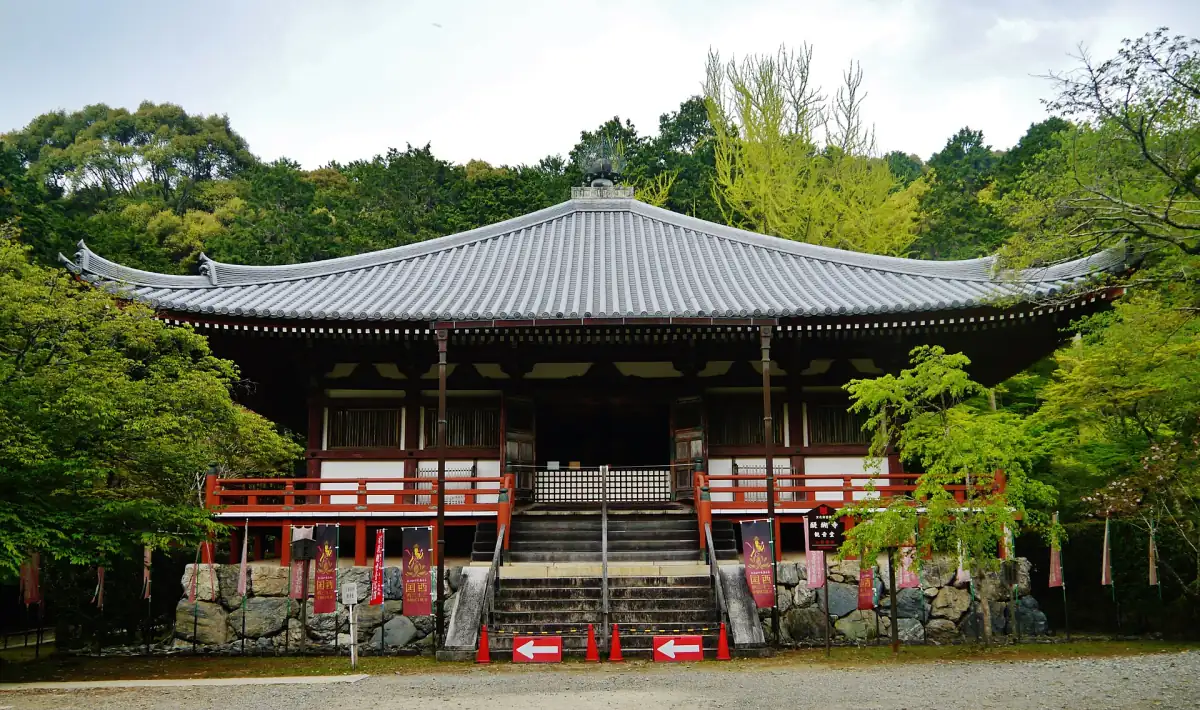
Which temple or shrine fits your day
Regular hours and adult entry as of 2026. Special areas, exhibitions and night openings cost extra where they exist.
| Place | Type | Hours | Adult entry | Good for |
|---|---|---|---|---|
| To-ji | Temple, UNESCO | Gates 5:00 to 17:00, halls 8:00 to 17:00 | ¥800 (Kondo and Kodo) | Pagoda, monthly market on the 21st |
| Yasaka Shrine | Shrine | Open for prayer 24 hours | – | Evenings, combined with Gion |
| Shimogamo Shrine | Shrine, UNESCO | 6:30 to 17:00, all year | – | Early mornings in the north |
| Sanjusangen-do | Temple | 8:30 to 17:00 (1 April to 15 November), 9:00 to 16:00 (16 November to 31 March) | ¥600 | A short visit in Higashiyama |
| Heian Shrine garden (Shin'en) | Shrine garden | From 8:30, closing 17:00 to 18:00 by season | ¥600 | Gardens and blossom |
| Nishi-Honganji | Temple, UNESCO | 5:30 to 17:00 | Free | A stop near Kyoto Station |
| Higashi-Honganji | Temple | 5:50 to 17:30 (March to October), 6:20 to 16:30 (November to February) | Free | Early starts near Kyoto Station |
For most first visits, To-ji in the morning and Yasaka Shrine at dusk make a good pair: one temple with a full set of halls and the tall pagoda, one shrine that stays open while you walk on into Gion.
Our pick: a guided visit to Kiyomizu-dera
Admission is covered and the 90 minutes include explanations of the temple's history and architecture.
Hand-picked tours, booked through GetYourGuide. Prices are indicative starting prices in US dollars (as of October 2026). Tap a tour for live availability and the current price in your currency.
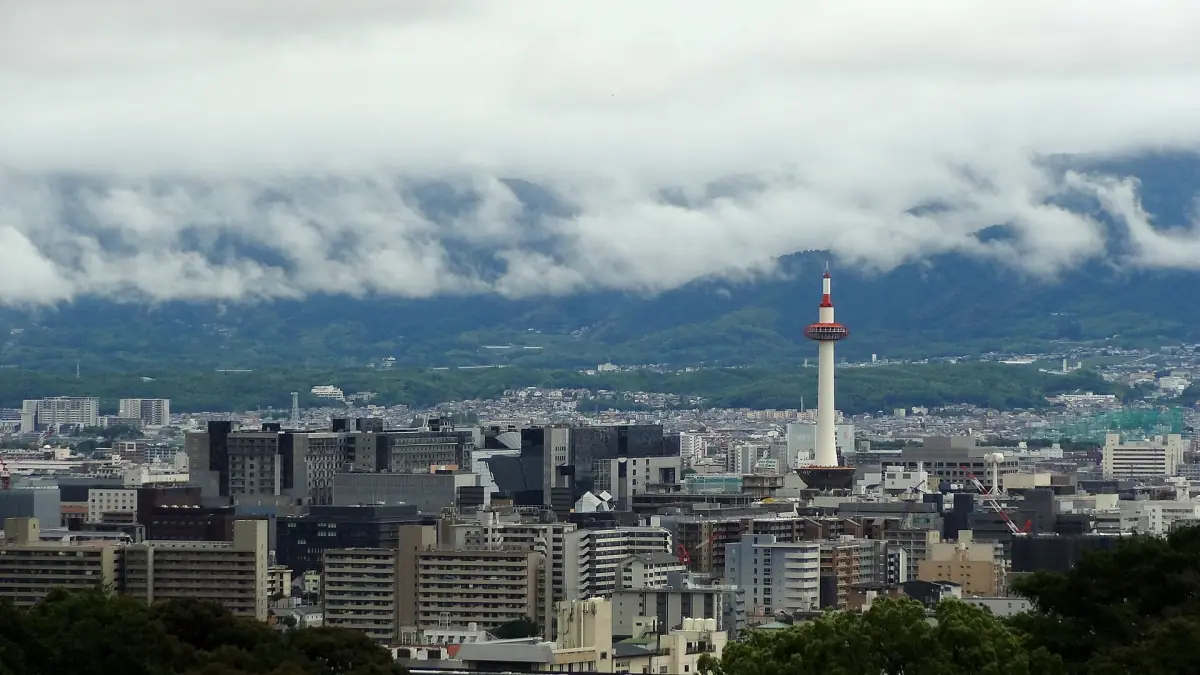
Guided temple tours in Kyoto
Temple walks with a guide, early starts and day tours with temple visits, with live prices and availability.
To-ji Kyoto: pagoda, halls and the market on the 21st
To-ji is a well-known temple near Kyoto Station. Its five-storey pagoda is around 55 metres high. The present building was rebuilt in 1644.
The gates open from 5:00 to 17:00. The Kondo and Kodo halls, where the main statues stand, open from 8:00 to 17:00, with last entry at 16:30. Entry to the two halls is ¥800 for adults, ¥400 for high school students and ¥300 for junior high school students and younger, as of 2026. The Mieido and Jikido halls are free.
Inside the pagoda and the treasure house
The ground floor of the pagoda and the treasure house open only during special openings. In spring, a pagoda package cost ¥1,200 for adults, ¥700 and ¥500 for younger visitors. It is a seasonal ticket, not an entry you can buy all year. In autumn, the Kondo and Kodo halls cost ¥800, with the treasure house and the Kanchi-in sub-temple charged separately. Check which areas are open on your date before you plan around them.
Kobo-ichi market
The Kobo-ichi market takes place on the 21st of every month, with a related service at 10:00. It is a monthly market, not a daily flea market, so it is worth timing your visit if you enjoy browsing stalls.
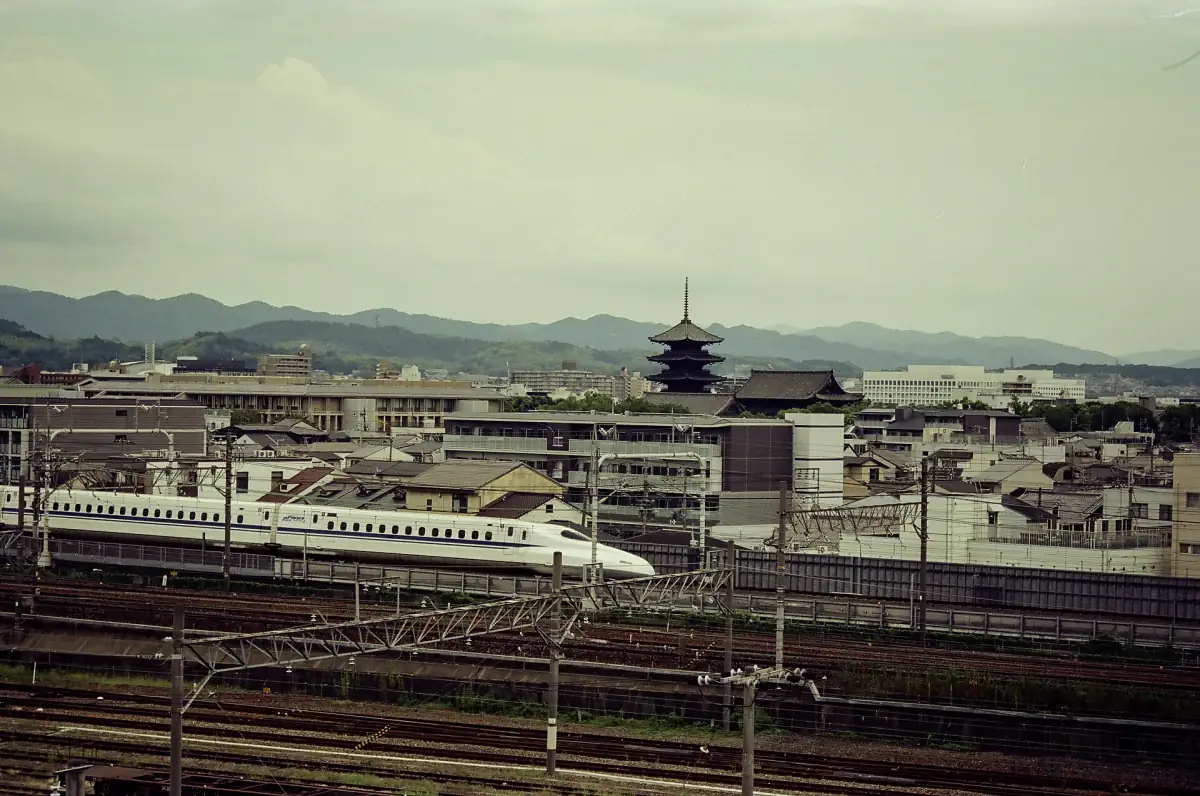
Yasaka Shrine and the shrines of Higashiyama
Yasaka Shrine is the large shrine next to Gion. You can visit for prayer at any hour, day or night. The shrine office is staffed from 9:00 to 17:00, and formal prayers are held from 9:00 to 16:00. Drones are not allowed, and commercial photography only within the shrine's rules. An evening visit combines well with a walk through Gion, which our page on Gion evening walks and geisha culture covers.
Shrines for cutting and tying bonds
In Higashiyama, Yasui Konpira-gu is about 3 minutes on foot from the Higashiyama Yasui bus stop. Visiting is free. People come here to pray for an end to ties they want to leave behind. As with every shrine, this is a matter of faith, not a promised result. For prayers about love and new ties, many visitors head to the Jishu Shrine, covered on our sister guide to Kiyomizu-dera and the Jishu Shrine.
Heian Shrine and its garden
The garden behind Heian Shrine, the Shin'en, costs ¥600 for adults and ¥300 for children. Holders of a disability card and one companion pay half the individual rate. It opens at 8:30 and closes at 18:00 from March to September, at 17:30 in October and at 17:00 from November to February, with last entry 30 minutes before closing. Tripods are not allowed during the cherry blossom period or on free garden days.
Shimogamo Shrine and Sanjusangen-do
Shimogamo Shrine
Shimogamo Shrine in the north of the city belongs to the UNESCO group. It is open from 6:30 to 17:00 all year, which makes it a calm first stop before the larger sights fill up. Special areas inside the grounds are not automatically included in a visit, so check at the shrine what is open on your day.
Sanjusangen-do
Sanjusangen-do costs ¥600. From 1 April to 15 November it opens from 8:30 to 17:00, and from 16 November to 31 March from 9:00 to 16:00, with last entry 30 minutes before closing. Some full-day bus tours include its entry ticket, along with other temples, so compare what a tour covers before you buy tickets twice.
The Honganji temples near Kyoto Station
If you have an hour before a train, the two Honganji temples are the easiest temple visit from the station. Nishi-Honganji is free and open all year from 5:30 to 17:00. It is about 10 minutes on foot from Kyoto Station and part of the UNESCO group.
Higashi-Honganji is a separate temple. It is free and needs no registration. It opens from 5:50 to 17:30 from March to October and from 6:20 to 16:30 from November to February. It does not issue goshuin. Since 2025 it offers a special visit document in return for a donation instead. Make sure you know which of the two you are walking to, because the names are easy to mix up.
Goshuin in Kyoto: temple and shrine stamps
A goshuin is a handwritten seal and inscription that temples and shrines give in a stamp book. Not every place issues one. At Yasaka Shrine you usually receive it after your prayer, and Higashi-Honganji does not give goshuin at all. Fees and waiting times differ from place to place, so ask at the counter.
Treat the goshuin as a record of a visit, not a souvenir stamp. Pray first, then queue at the counter during its opening hours. At Kifune Shrine north of the city, the counter for amulets and goshuin opens from 9:00 to 17:00. See our Kibune and Kurama guide for the trip there.
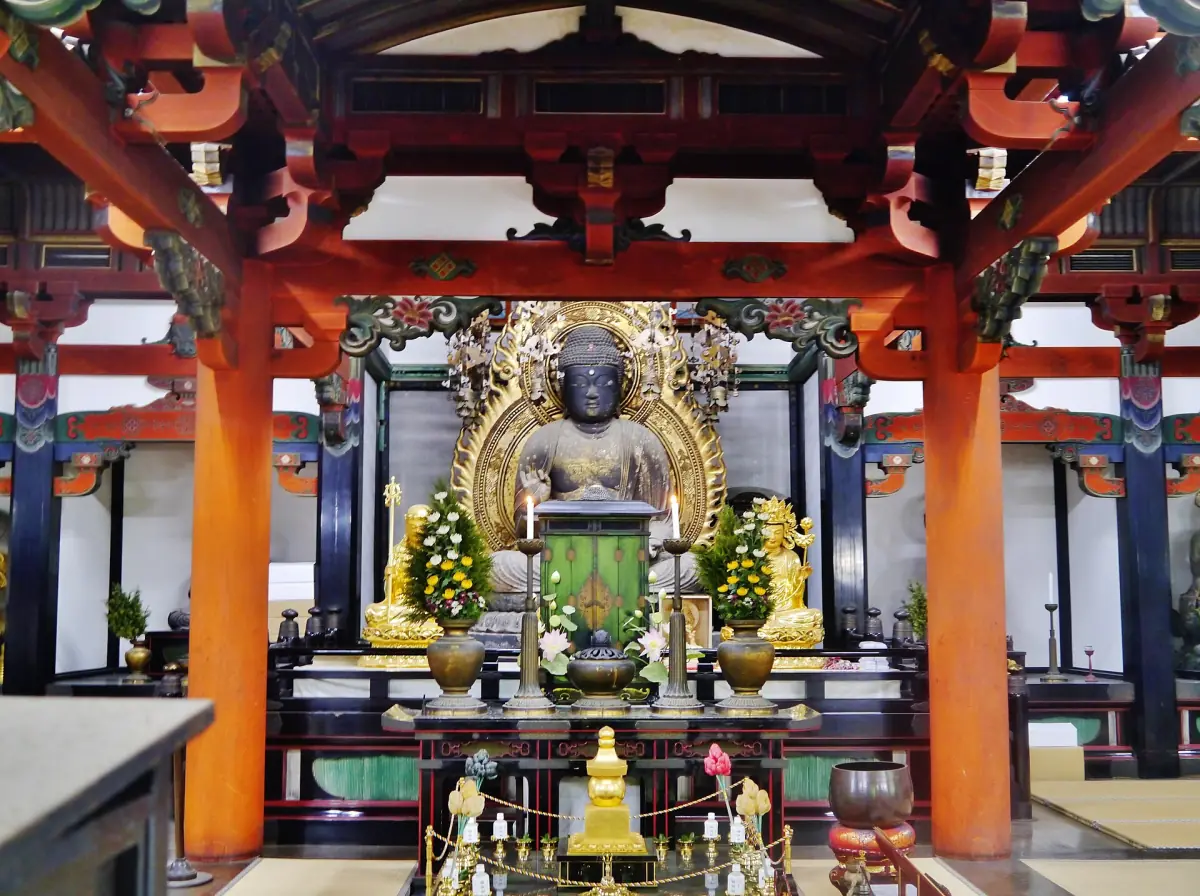
Famous temples with their own guides
Three well-known places in Kyoto have their own sister sites with hours, routes and history. The gates of Fushimi Inari Taisha are next to JR Inari station, about 5 minutes from Kyoto by the Nara Line; read more on Fushimi Inari Taisha. Kiyomizu-dera is in Higashiyama, on the east side of the city. Kinkaku-ji, the Golden Pavilion, is in Kita ward and is reached by city bus; see our Kinkaku-ji guide for entry and transport.
Ginkaku-ji, Nanzen-ji and the Philosopher's Path are covered on our page on Ginkaku-ji and the Philosopher's Path. If you want to see several of these in a day, a full-day bus tour from Kyoto Station is the simplest way to combine sights in different corners of the city.
Visiting temples with fewer crowds
The busiest periods in Kyoto are cherry blossom time in late March and early April and the autumn leaves from mid November to early December. Arrive when the gates open, especially at shrines that open early, and save the big names for weekdays. Our page on the best time to visit Kyoto has the seasons in detail.
- Transport: a single city bus ride costs ¥230 for adults in the flat fare zone. The Subway and Bus 1-Day Pass costs ¥1,100 for adults and ¥550 for children and is valid for the calendar day you first use it, not for 24 hours. Combining train and bus spreads the load and often saves time.
- Luggage: send large bags ahead or leave them at your hotel. Temple paths and buses are not made for suitcases.
- Groups: do not block streets, steps or pavements when you stop for photos.
- Respect: temples and shrines are places of worship. Keep your voice down near halls and follow the signs on photography inside.
Kyoto temples: frequently asked questions
Is there a combined ticket for Kyoto temples?
No. Each temple charges its own fee. To-ji, Nijo Castle and Ginkaku-ji, for example, are separate sites with separate tickets. Some day tours include several temple entries in their price.
Can you go inside the To-ji pagoda?
Only during special openings. The ground floor of the pagoda and the treasure house are not part of the regular visit, which covers the Kondo and Kodo halls for ¥800, as of 2026.
When is the To-ji market?
The Kobo-ichi market is held on the 21st of every month. A related service starts at 10:00.
Can I visit Yasaka Shrine at night?
Yes. Yasaka Shrine is open for prayer 24 hours. The office and the goshuin counter keep daytime hours, with the office staffed from 9:00 to 17:00.
Which temples are free in Kyoto?
Nishi-Honganji and Higashi-Honganji near Kyoto Station are free. At To-ji, the Mieido and Jikido halls are free, while the main halls cost ¥800.
Do all temples give goshuin?
No. Many temples and shrines do, but Higashi-Honganji does not, and offers a special visit document for a donation instead. Ask at the counter about fees and hours.