
Kyoto onsen and hot springs at a glance
When people search for Kyoto hot springs, they usually mean one of four things: a neighborhood public bath (sento) in the city, the day bath at Kurama in the hills north of Kyoto, the bath in their ryokan or hotel, or a hot spring town outside the city such as Yunohana in Kameoka or Kinosaki in Hyogo. Each works differently, and none of them has one shared ticket or one shared set of rules.
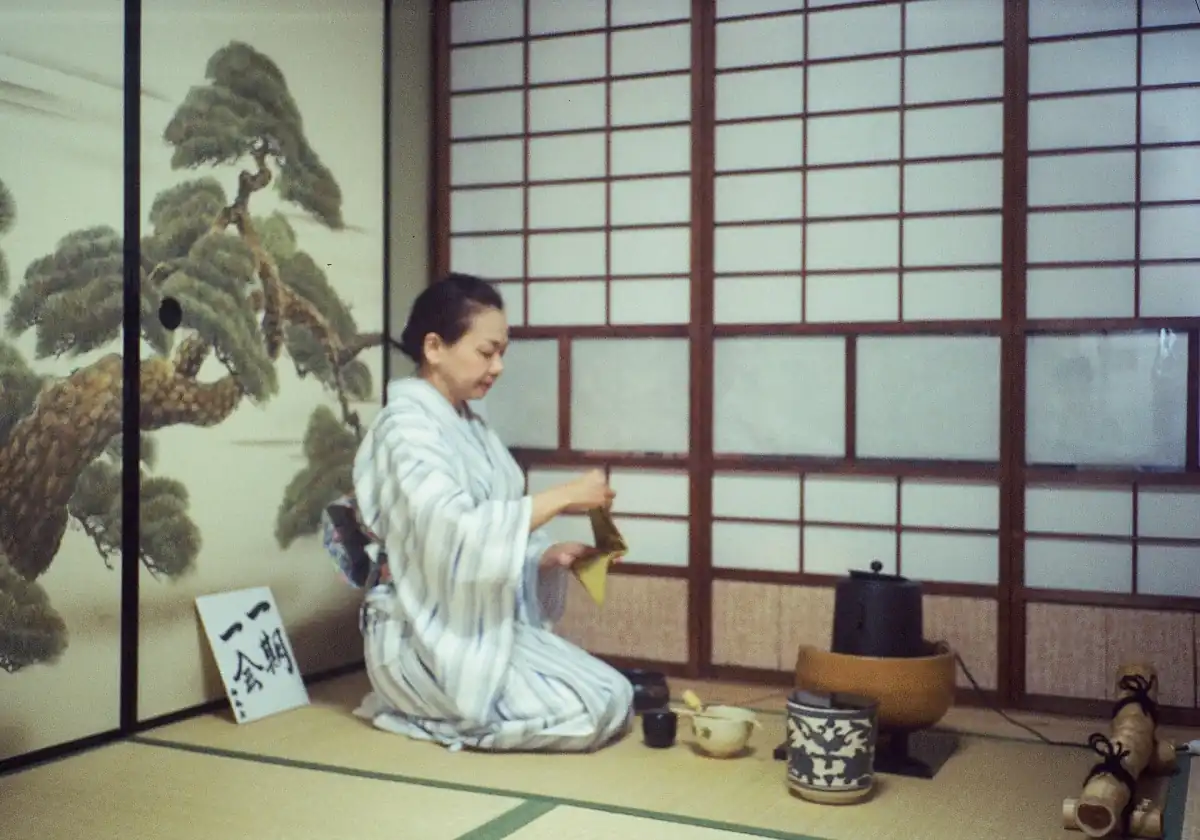
Bathing is something you plan yourself. For the hours before, our page on Kyoto day tours compares guided bus tours, early morning tours and tea ceremonies that leave your evening free.
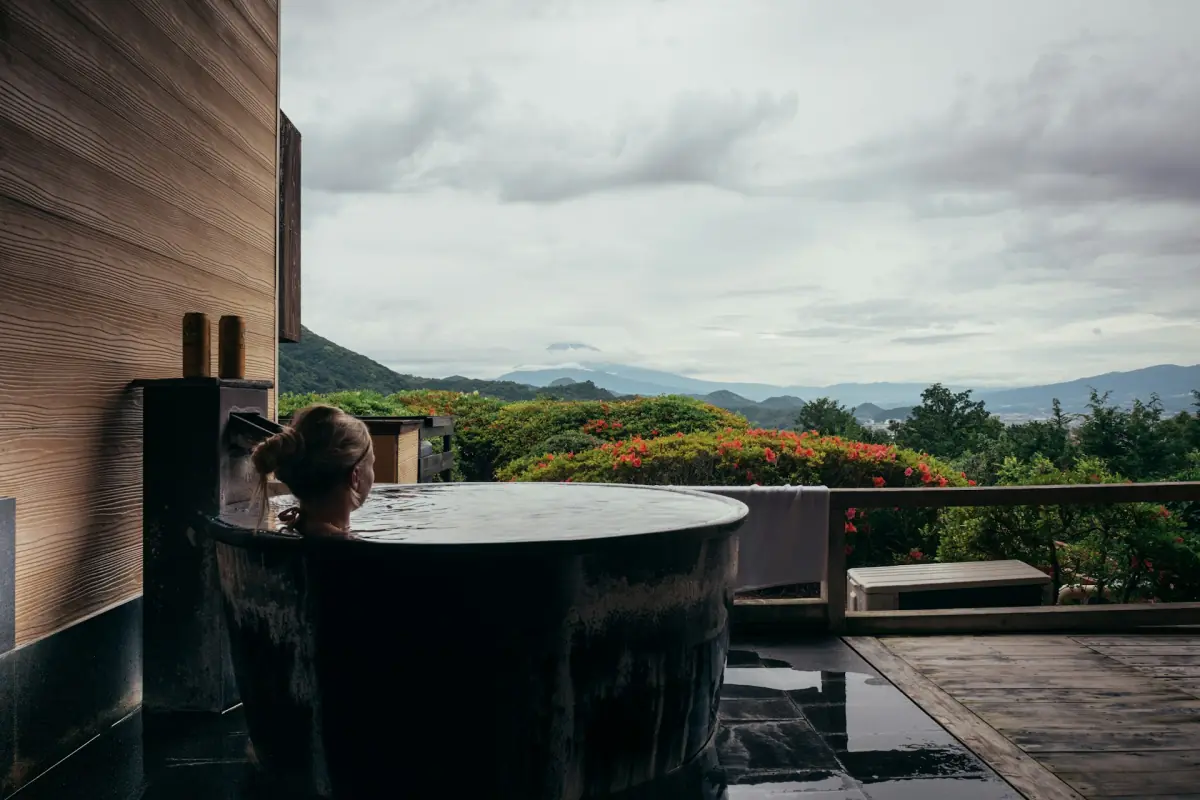
Where to bathe: options compared
Prices as of 2026. Where a cell shows a dash, check prices and rules with the bath before you go.
| Option | Where | Getting there | Price | Good for |
|---|---|---|---|---|
| Sento (public bath) | Neighborhoods across Kyoto city | On foot or by city bus | ¥550 adults, ¥200 ages 6 to 12, ¥100 under 6 | A quick, cheap soak after sightseeing |
| Kurama Onsen | Kurama, north of the city | Eizan Railway from Demachiyanagi | – | Combining with Kibune and Kurama |
| Ryokan or hotel bath | Where you stay | – | Part of your stay | Bathing without leaving the building |
| Yunohana | Hiedano, Kameoka | About 15 min by car from JR Kameoka | – | A trip outside the city |
| Kinosaki | Hyogo Prefecture | – | – | A full hot spring town with public baths |
For most visitors with only a few days in Kyoto, a sento in the city or the Kurama day bath on a Kibune and Kurama day is the realistic choice. Save Kinosaki for a trip with a spare night.
Kyoto tours before your evening bath
Guided day tours, early morning tours and tea ceremonies in Kyoto that leave your evening free for a bath.
Day baths in Kyoto: the city's sento
The simplest hot bath in Kyoto is a sento, a public bath in a residential neighborhood. Baths in the Kyoto bath association charge ¥550 for adults, ¥200 for children aged 6 to 12 and ¥100 for children under 6, as of 2026. That price is for these neighborhood baths only. It does not apply to onsen facilities, hotel baths or larger spa complexes, which set their own prices.
A sento is a good way to rest your legs after a long day of walking, for example after the climb at Fushimi Inari. Follow the rules posted at the entrance and ask the staff if anything is unclear.
Kurama Onsen: a day bath in the northern hills
Kurama lies in the forested hills north of Kyoto and is reached on the Eizan Railway from Demachiyanagi towards Kurama. Kurama Onsen runs a day bathing area from 10:00 to 21:00. Check the current entry fee, last entry and the tattoo policy directly with the bath before you go.
The Eizan Railway's Ee-Kippu day ticket costs ¥1,200 for adults and ¥600 for children; the ropeway on Mount Hiei is not included. Many visitors combine the bath with Kurama-dera, whose main hall is open from 9:00 to 16:15, and with the Kifune Shrine in Kibune. Our Kibune and Kurama guide explains the route between the two valleys.
Private onsen in Kyoto
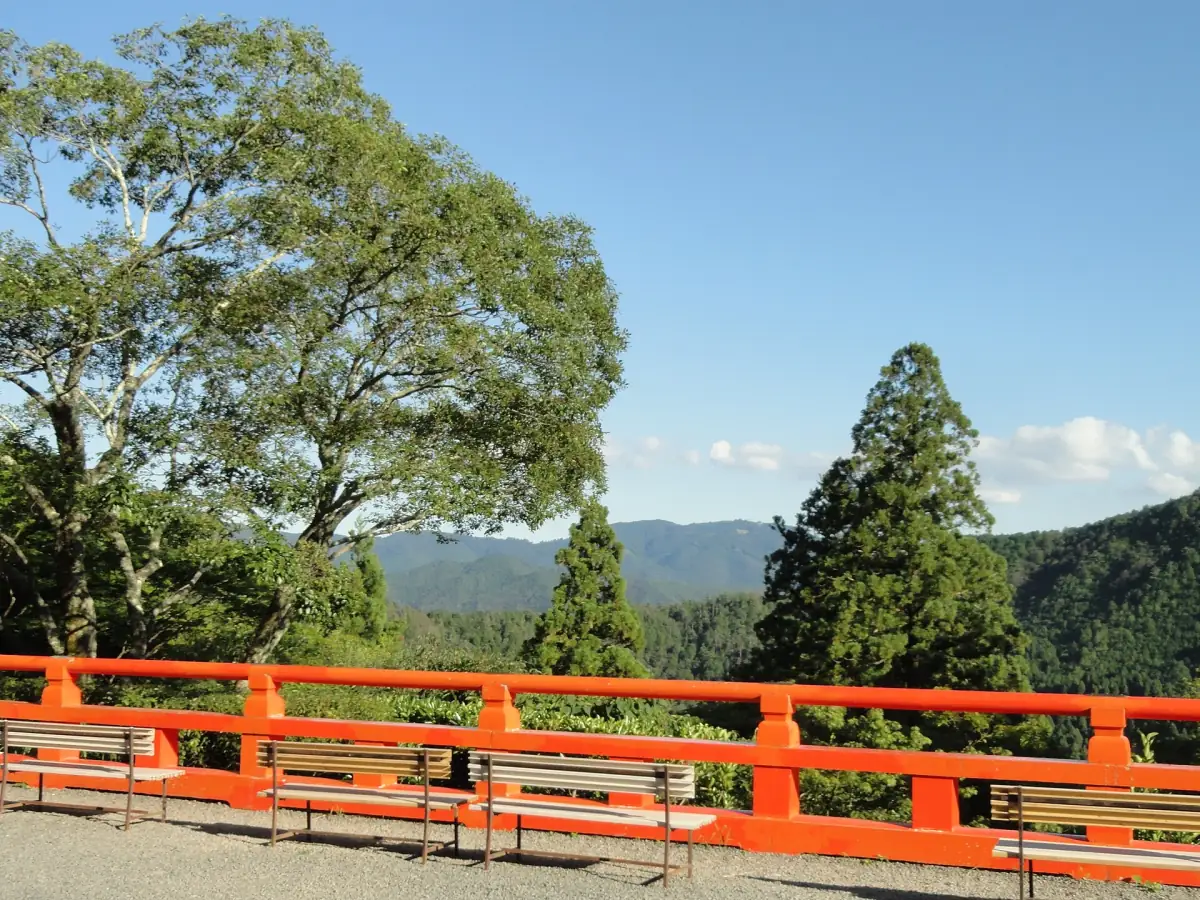
If you want a bath to yourself, the usual way is a ryokan or hotel room with its own bath, or a bath you can reserve for your group. Kyoto's accommodation ranges from ryokan with tatami rooms to modern hotels, and a private bath is a feature of individual rooms, not a standard part of a ryokan stay. When you book, look for the bath in the room description and confirm it in writing.
Remember the accommodation tax. Since 1 March 2026, the city of Kyoto charges it per person and night in 5 levels, from ¥200 for stays under ¥6,000 up to ¥10,000 for stays from ¥100,000. It is often already included in the booking price. Our page on where to stay in Kyoto compares the areas.
Onsen near Kyoto
Yunohana is a hot spring area in Hiedano, in the city of Kameoka in the Nantan region of the prefecture. It is about 15 minutes by car from JR Kameoka Station and about 10 minutes from the Kameoka interchange. There is no single public bath or shared entry fee there, so check the bathing options of the individual inns. Kinosaki is a well known hot spring town in Hyogo Prefecture, outside Kyoto Prefecture, best planned with an overnight stay. Both suit travelers who want hot spring water rather than a city bath.
Tattoos and bath rules
There is no single tattoo rule for Kyoto. Each bath decides for itself, and a rule at one bath tells you nothing about the next one. In Kinosaki the public baths are generally tattoo friendly, but that does not automatically cover every private ryokan bath in town. If you have tattoos, ask before you book or before you pay at the counter.
- Sento in the city: follow the rules posted at the entrance.
- Kurama Onsen: confirm the current tattoo policy and fees with the bath.
- Ryokan and hotels: ask about tattoos and private bath use when you book.
- Health claims: treat any promised healing effect as advertising, not as a reason to travel.
Kyoto onsen: frequently asked questions
Are there real hot springs in Kyoto?
Yes, though not in the city center. Kurama Onsen in the northern hills offers day bathing, and Yunohana in Kameoka is a hot spring area. In the city itself most people bathe at a sento or in their ryokan.
How much is a public bath in Kyoto?
Neighborhood sento in the Kyoto bath association charge ¥550 for adults, ¥200 for ages 6 to 12 and ¥100 under 6, as of 2026. Spa complexes and hotel baths set their own prices.
Can I go to an onsen in Kyoto with tattoos?
It depends on the bath. There is no rule for all of Kyoto, so ask each bath or your ryokan directly. Kinosaki's public baths in Hyogo are generally tattoo friendly.
Is Kurama Onsen open?
Kurama Onsen offers day bathing from 10:00 to 21:00. Check fees, last entry and any closures on the day you plan to go.
How do I get a private onsen in Kyoto?
Book a ryokan or hotel room whose description shows its own bath, or a bath you can reserve. A private bath is not standard in every ryokan, so confirm it before you pay.