
Kyoto areas at a glance
The best area to stay in Kyoto depends on how you arrive and what you plan to do each day. Three areas cover most trips: Kyoto Station in the south, the downtown blocks around Shijo, Karasuma and Kawaramachi, and the historic streets of Gion and Higashiyama east of the Kamo River. None of them is objectively the best. Each one saves time for a different kind of trip.
Think about your days first. If you plan several guided day trips, a base near the meeting points saves early morning stress, because many Kyoto day tours start at or near Kyoto Station. If evenings in Gion and Pontocho matter more, stay downtown.
Kyoto areas compared
How the three main areas work for transport, evenings and day trips.
| Area | Arrival | Evenings | Day trips | Best for |
|---|---|---|---|---|
| Kyoto Station | Shinkansen, Haruka and airport bus arrive here | Quieter, Kyoto Tower open to 9 p.m. | Many tour meeting points, JR to Uji and Nara | Short stays, early starts, heavy luggage |
| Shijo, Karasuma and Kawaramachi | Subway, Hankyu and Keihan nearby | Pontocho, Kiyamachi, Kamo River | Keihan to Uji | Food, shopping, first visits |
| Gion and Higashiyama | Keihan Gion-shijo, buses | Old streets, residents' privacy after dark | Further from the station | Walking early to temples |
For most first time visitors with a few days, downtown around Shijo and Kawaramachi is a flexible base. If you arrive late, leave early or plan several day tours, choose Kyoto Station.
Kyoto Station: the practical base
Kyoto Station is the arrival hub. The Shinkansen from Tokyo, the Haruka train from Kansai Airport and the airport limousine bus all end here, and the bus terminal and subway connect you to the rest of the city. That makes the station area the easiest choice when you have heavy luggage, a short stay or early departures. Details on trains and airport transfers are on the getting there page.
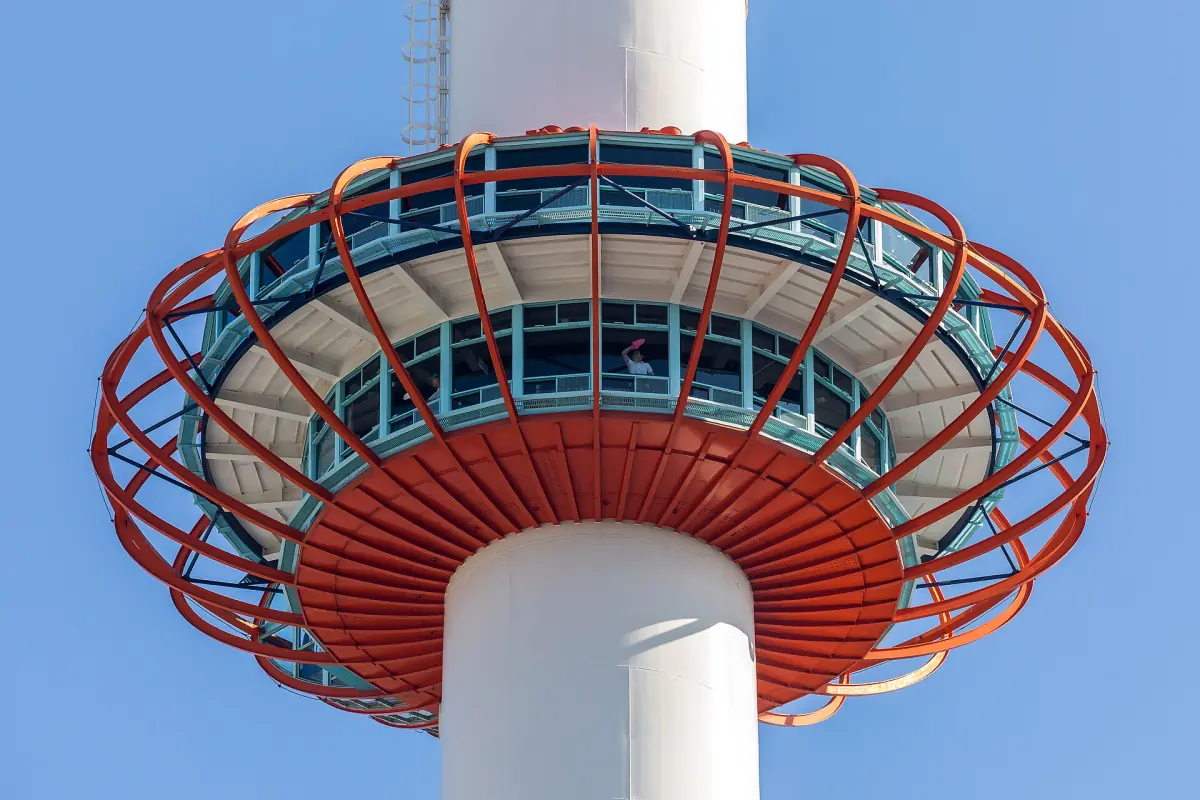
The area around the station is busier with offices and shops than with old streets. In return you have Kyoto Tower, open from 10 a.m. to 9 p.m., and Nishi-Honganji, a free temple about 10 minutes on foot from the station.
Shijo, Karasuma and Kawaramachi: downtown
Downtown Kyoto spreads around Shijo Street between Karasuma and the Kamo River. You find Nishiki Market and the narrow lanes of Pontocho and Kiyamachi here. Hankyu Kyoto-Kawaramachi lies on the Kawaramachi side and Keihan Gion-shijo on the Gion side; they are two separate stations, so check which one your route uses.
From 1 May to 15 October restaurants along the west bank of the Kamo set up riverside terraces. For an evening out, the Pontocho and Kawaramachi guide explains the area and food tours that start nearby.
Our pick: a day trip from Kyoto or Osaka
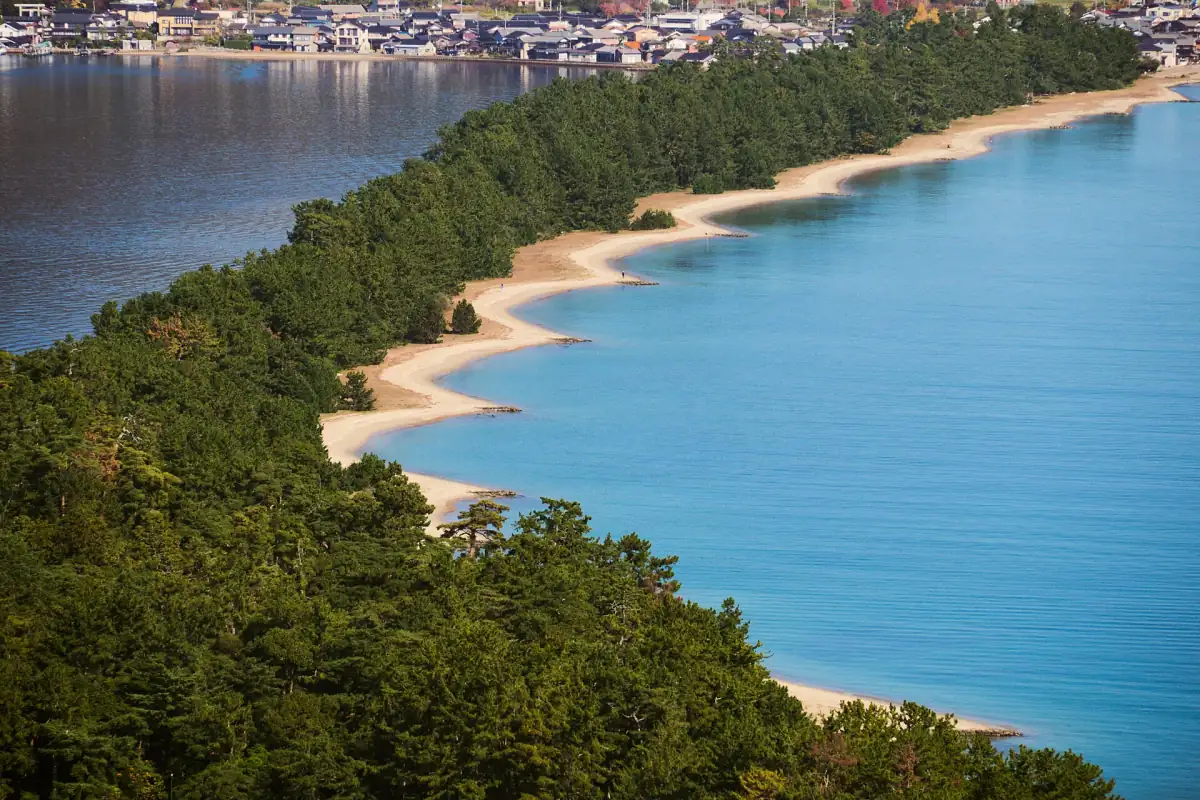
It has meeting points in both cities, so you can reach Amanohashidate and Ine Bay in a day wherever you stay.
Hand-picked tours, booked through GetYourGuide. Prices are indicative starting prices in US dollars (as of October 2026). Tap a tour for live availability and the current price in your currency.
Tours that start in central Kyoto
Day tours from Kyoto Station, Gion evening walks and food tours in Gion and Pontocho, with live prices and availability.
Gion and Higashiyama: the historic east
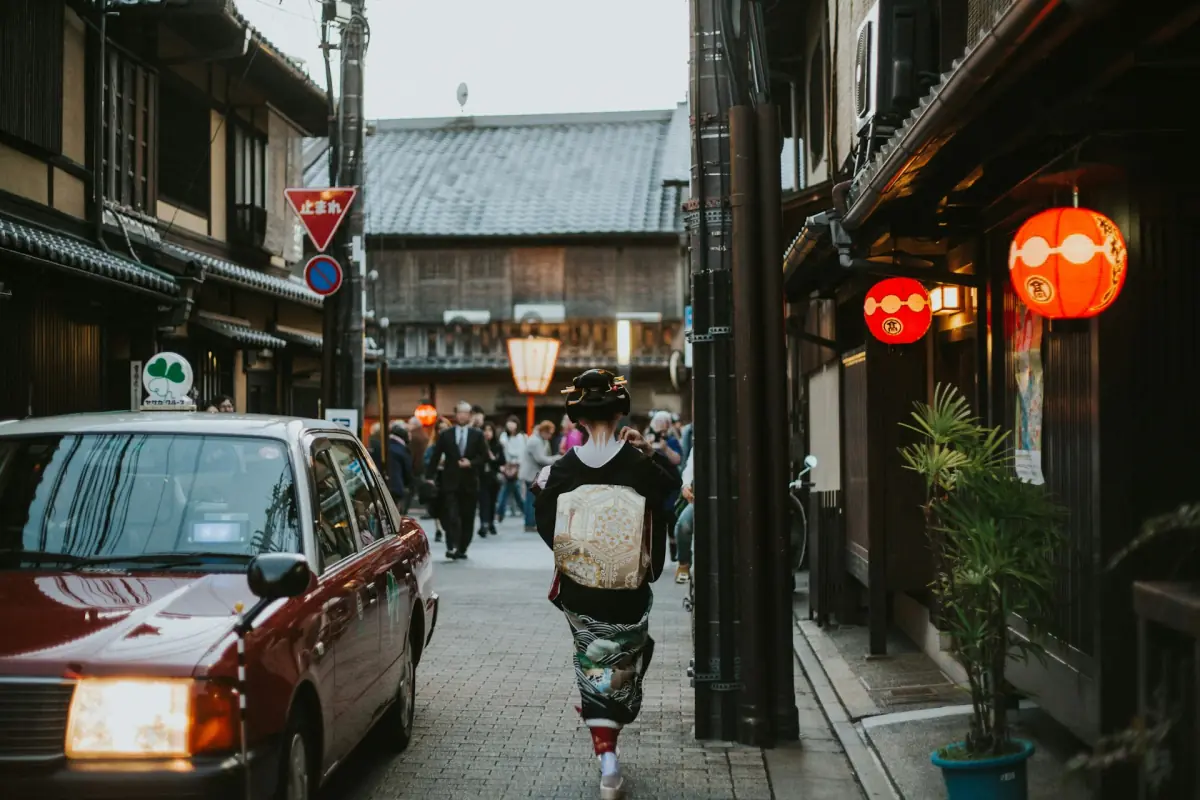
Gion and Higashiyama are living neighbourhoods with historic wooden houses, teahouses and temples close together. Staying here lets you walk to the old streets early in the morning before the day crowds arrive. Remember that people live here: private lanes, private property and the privacy of residents apply in the evening too. Do not photograph geiko or maiko without consent. The Gion and geisha culture page explains the local manners.
The main drawback is transport. Buses in Higashiyama get crowded in peak seasons, and the station is further away. Since 1 July 2026 a temporary weekday bus line runs between Kyoto Station, Shichijo and Higashiyama for ¥500 per adult, but it is not a permanent route. For the area around the famous hillside temple, see where to stay near Kiyomizu-dera.
Ryokan in Kyoto
A ryokan is a traditional Japanese inn. Tatami rooms and Kyoto cuisine are typical features of many ryokan, but they are not included everywhere, so read what your booking covers: meals, bath, bedding and check in times differ from house to house. If meals are included, their set times shape your evening, so a ryokan often fits one or two special nights better than a long stay with daily day trips.
Machiya stays
Some stays are in machiya, Kyoto's traditional wooden townhouses. Rental formats and equipment vary a lot, so check stairs, heating and bathroom before you book.
Temple stays and shukubo
Staying overnight at a temple is a separate format with its own rules, and it is worth checking well in advance what is possible. An overnight stay does not automatically include free daytime entry to the temple grounds or other halls.
Accommodation tax in Kyoto city
Since 1 March 2026, Kyoto city charges an accommodation tax in five tiers. It applies per person and per night and is based on the room price without meals and consumption tax. The tax is collected by your accommodation and may already be included in the booking price. It covers Kyoto hotels, ryokan and other types of accommodation in Kyoto city, not the whole prefecture.
| Room price per person and night | Tax per person and night |
|---|---|
| Under ¥6,000 | ¥200 |
| ¥6,000 to under ¥20,000 | ¥400 |
| ¥20,000 to under ¥50,000 | ¥1,000 |
| ¥50,000 to under ¥100,000 | ¥4,000 |
| ¥100,000 and more | ¥10,000 |
There are exemptions for qualifying school groups and their companions, but no general exemption for children.
Staying outside the city
The north of Kyoto Prefecture, with Amanohashidate, Ine and Miyama, is about two hours or more from the city by train or car. Most visitors see it on a long day trip from Kyoto. If you prefer a base near the other famous shrine in the south of the city, the Fushimi Inari guide covers that area.
Where to stay in Kyoto: questions
Which area suits a first visit to Kyoto?
Downtown around Shijo and Kawaramachi is a flexible base for most first visits. Kyoto Station is better if you arrive late, leave early or join several day tours that meet there.
Is it better to stay near Kyoto Station or in Gion?
Kyoto Station is easier for transport and luggage. Gion and Higashiyama let you walk to old streets and temples early in the morning, but buses there are crowded in peak seasons and the station is further away.
How much is the accommodation tax in Kyoto?
Since 1 March 2026 it ranges from ¥200 to ¥10,000 per person and night, in five tiers by room price. It may already be part of the price you pay when booking.
Does a ryokan always include dinner?
No. Kyoto cuisine and tatami rooms are typical for many ryokan, but what is included differs. Check your booking for meals and bath times.
Do I need a car if I stay in Kyoto city?
No. In the city you get around by bus, subway, train and on foot. A rental car only makes sense for the north of the prefecture, such as Amanohashidate, Ine or Miyama.