
Geisha culture in Kyoto at a glance
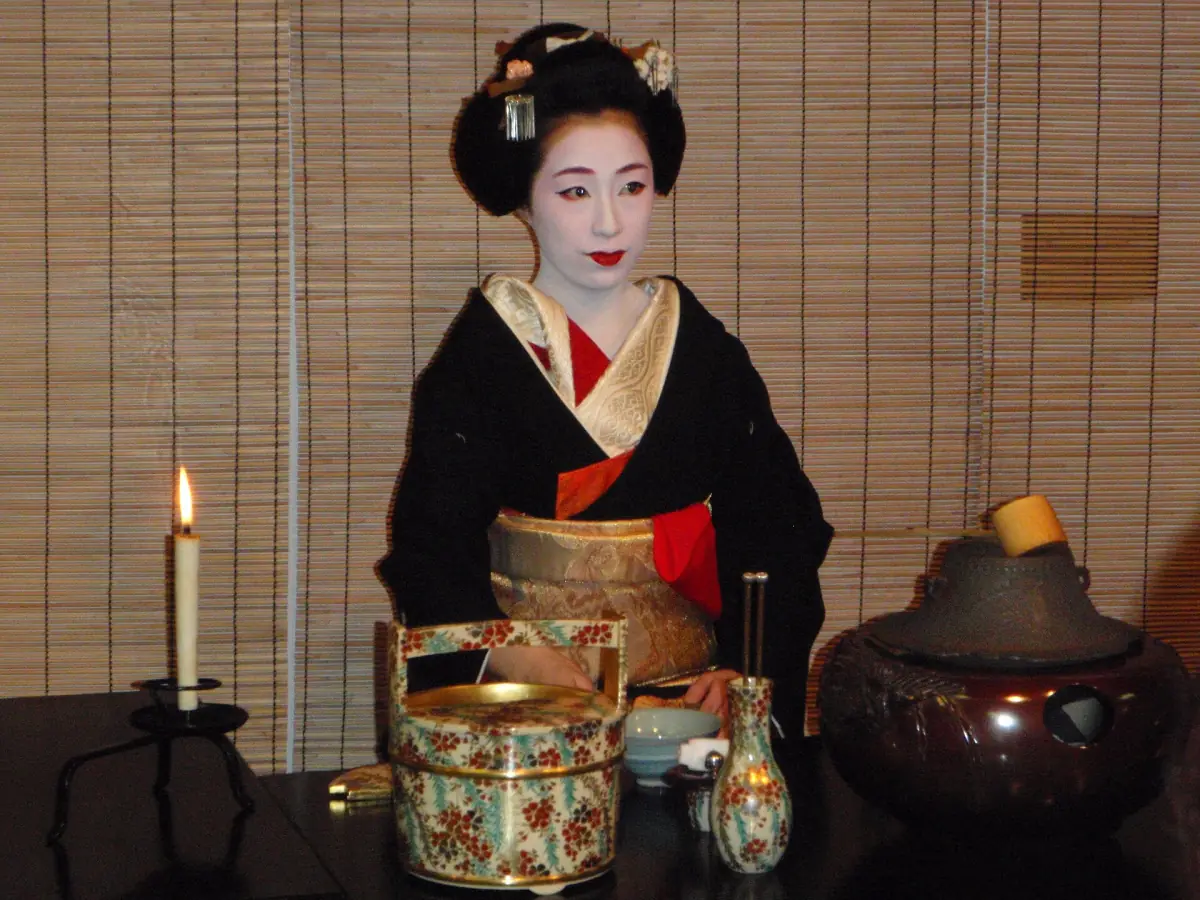
In Kyoto, professional performers of the traditional arts are called geiko, and maiko are the young women in training. They work in five districts known as kagai: Gion Kobu, Gion Higashi, Pontocho, Miyagawacho and Kamishichiken. Gion is the district most visitors go to when they search for geisha in Kyoto.
A walk through Gion at dusk does not guarantee that you will see a maiko or geiko. The streets are a living neighbourhood, not a stage. If meeting a performer matters to you, book a format that includes a performance, either a cultural walk with a geisha meeting or a stage show. The tours below show both.
Our picks: Gion walks and geisha meetings
The night walk suits you if you want the streets and the culture of Gion. Choose one of the geisha meetings if you want to see a performance and ask questions.
Hand-picked tours, booked through GetYourGuide and Viator. Prices are indicative starting prices in US dollars (as of October 2026). Tap a tour for live availability and the current price in your currency.
Gion walk with a geisha meeting
- Geisha district walk
- 50-minute geisha meeting
- Q&A and performance
A guided walk through the geisha district, then a 50-minute meeting with questions and a performance of one or two songs. Lunch, tea or dinner depends on the time slot you choose.
Check availability →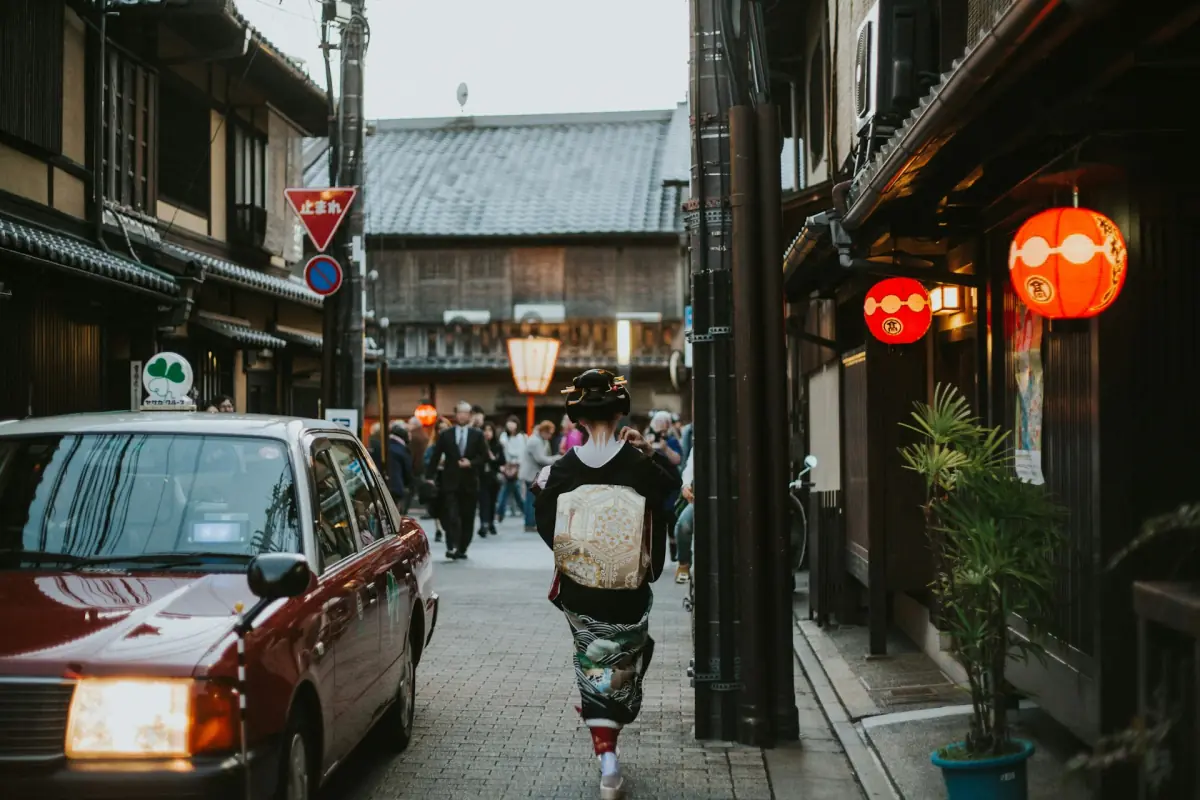
One hour with a geisha in Gion
- One-hour geisha meeting
- English-speaking guide
- Japanese green tea
A one-hour geisha experience led by an English-speaking guide, with green tea. The meeting point changes with the option you book.
Check availability →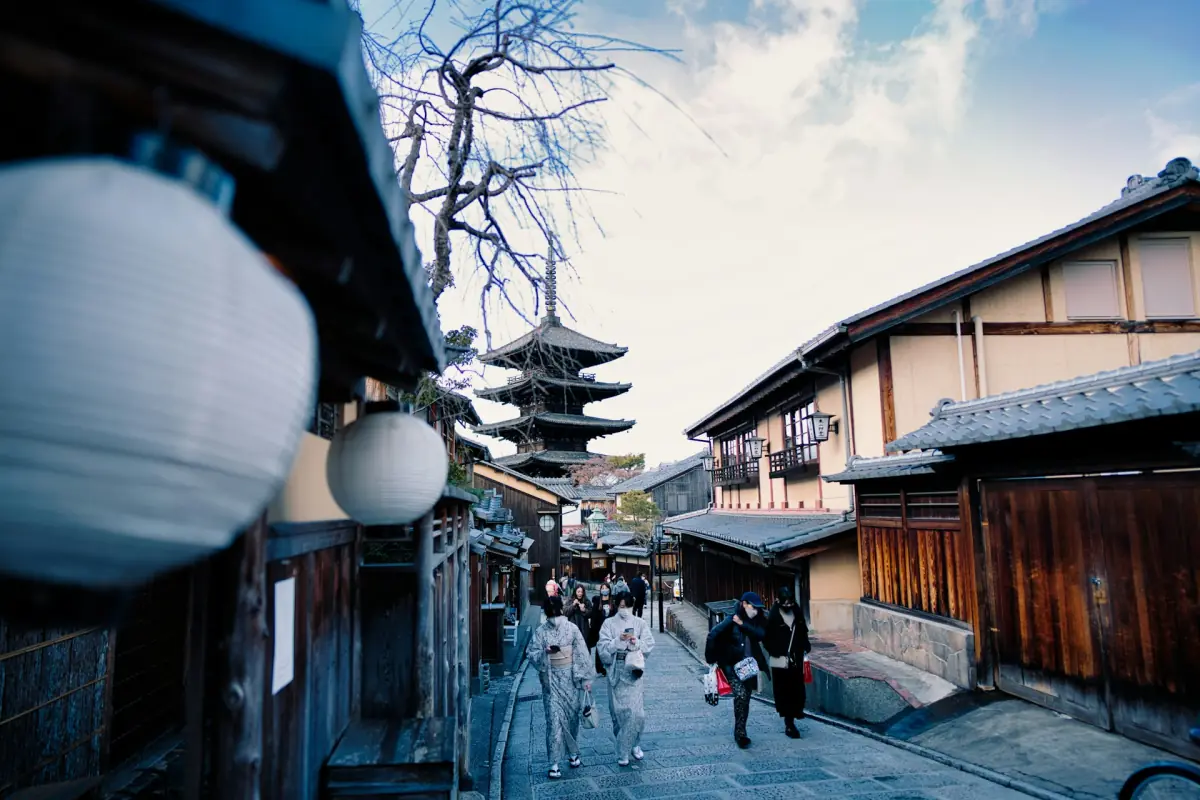
Gion at night with a local guide
- Local guide
- Photo service
A 100-minute evening walk through Gion with stories about geisha culture. It is a walk only, so no performance or geisha meeting is part of it.
Check availability →Gion evening walks and geisha experiences
Gion walks after dark, cultural walks with a geisha performance and one-hour shows, with live prices and availability.
Geisha experience Kyoto: the tour formats
What the main types of Gion tour include and who each one suits.
Gion evening walking tours
Walks of about 100 minutes to 2 hours with a guide who explains the district, the teahouses and the world of geiko and maiko. Some include a photo service for your group. A meeting with a maiko is not part of these tours, even if you may pass one on the street. Many start near the Minamiza theatre or Shijo bridge.
Cultural walk with a geisha meeting
The longer format lasts 3 to 3.5 hours: a walk of 1.5 to 2 hours through the geisha district, then a 50-minute meeting with a question and answer session and a performance of one or two songs. Depending on the time slot you book, it comes with a lunch plate, a cup of tea or a dinner of shared plates. The meeting point is the statue of Izumo no Okuni near Shijo bridge.
One-hour geisha show
A shorter booking of 60 to 105 minutes with a performance, questions and photos, green tea and an English-speaking guide who translates. It suits travellers who want the performance without a long walk.
Maiko meeting with a Gion walk
Some tours combine a walk of about 70 to 80 minutes with a conversation with a maiko, one or two dances by a maiko and a former geiko, and a photo session in the venue. Here the photo is part of the booked programme, which is the respectful way to get one.
Food tours in Gion
Food walks of about 3 hours through Gion and Pontocho, with up to 13 dishes and drinks at a restaurant and an izakaya. They show the district from the dining side. Details are on our Pontocho and Kawaramachi page.
Which geisha format suits you
A quick comparison of the bookable formats and the public stage show.
| Format | Length | Performance | Food or drink | Best for |
|---|---|---|---|---|
| Gion evening walk | About 100 minutes to 2 hours | No | – | Understanding the district |
| Cultural walk with geisha meeting | 3 to 3.5 hours | Yes, one or two songs | Lunch, tea or dinner by time slot | Meeting a performer up close |
| One-hour geisha show | 60 to 105 minutes | Yes | Green tea | Short evenings |
| Gion Corner | About 50 minutes | Kyomai dance and other arts on stage | Tea and sweet with one seat type | Several traditional arts in one show |
For most first visits, the cultural walk with a geisha meeting is a good mix: you learn the streets with a guide and then meet a performer in a setting where questions and photos are welcome.
Geisha performance Kyoto: Gion Corner and the seasonal dances
Gion Corner
Gion Corner stages a programme of about 50 minutes, regularly at 18:00 and 19:00. It presents short pieces from several traditional arts, including kyomai (Kyoto-style dance), the tea ceremony, koto music and ikebana, and in some seasons bunraku puppet theatre or noh. As of 2026, tickets cost ¥5,500 for adults, ¥3,850 for ages 16 to 22 and ¥3,300 for ages 7 to 15. Children up to 6 are free without their own seat and pay ¥3,300 with one. Premium seats cost ¥6,600, and seats with tea and a sweet cost ¥6,050, with no age discount on either.
The show does not run every evening. From 1 December to 11 March, the winter programme runs Tuesday to Friday, except public holidays. Closing days include 16 July, 16 August, 26 December to 4 January, 11 February and 23 February. Tickets are sold in advance or at the box office on the day while seats last.
The seasonal dances
The Miyako Odori takes place every April, the Kamogawa Odori in May and the Gion Odori in early November. These are seasonal programmes, not daily shows, so plan your dates around them if you want to see a full dance performance by the districts. Our Kyoto festivals guide covers the year's main events.
Gion at night: what to expect
Gion and Higashiyama are a historic district where people live, and their privacy applies in the evening as much as during the day. Hanamikoji is not a pedestrian street: cars and taxis use it, so keep to the side and watch for traffic.
There is no general ban on entering or photographing the whole district. What is not allowed is entering private ground and photographing people without their consent. Follow the signs that mark private lanes, at night too. For the old streets that run up from Gion towards Kiyomizu-dera, see our sister guide to Gion and Higashiyama.
Gion etiquette: the rules for visitors
Maiko and geiko are working professionals. Visitors to Gion are asked to follow a few clear rules:
- Do not touch, follow or stop a maiko or geiko, and do not block their way.
- Do not photograph or film people without their consent.
- Do not enter private ground or lanes marked as private.
- Do not block streets when you stop as a group.
Penalties
Blocking or following someone can be punished with detention of under 30 days or a fine of under ¥10,000. Trespassing carries up to 3 years in prison or a fine of up to ¥100,000, and damage to property up to 3 years or a fine of up to ¥300,000. These are different offences under the law, not a fixed fee for taking photos.
Getting to Gion and planning your evening
Two stations serve the area, one on each side of the Kamo river: Keihan Gion-shijo on the Gion side and Hankyu Kyoto-Kawaramachi on the Kawaramachi side. Both are within walking distance of Gion Corner. A city bus ride costs ¥230 for adults in the flat fare zone.
A good evening starts with a visit to Yasaka Shrine, which is open for prayer at any hour, then a guided walk or a show, and dinner in Pontocho across the river. If you want to wear a kimono for the walk, rentals near Kiyomizu-dera are covered on our sister page about kimono rental in Kyoto. For temples and shrines nearby, see our Kyoto temples guide.
Geisha in Kyoto: frequently asked questions
Will I see a geisha in Gion?
Maybe, but there is no guarantee on an ordinary walk. If you want to meet a maiko or geiko, book a cultural walk with a geisha meeting or a geisha show, where a performance is part of the programme.
Can I photograph maiko in the street?
Not without their consent. Do not touch, follow or stop them. On tours with a geisha meeting, photos are part of the programme.
What is the difference between geiko and maiko?
Geiko is the Kyoto term for professional performers of the traditional arts. Maiko are in training to become geiko.
How much is Gion Corner?
As of 2026, ¥5,500 for adults, ¥3,850 for ages 16 to 22 and ¥3,300 for ages 7 to 15. The programme lasts about 50 minutes, regularly at 18:00 and 19:00.
Is Gion Corner open every evening?
No. In winter, from 1 December to 11 March, it runs Tuesday to Friday except public holidays, and it closes on several fixed dates such as 16 July and 16 August.
When are the geisha dances held?
The Miyako Odori is held every April, the Kamogawa Odori in May and the Gion Odori in early November.