
Kyoto facts at a glance
Kyoto began in 794 as Heian-kyo, a new capital planned after the Chinese model of a capital city. The emperors lived here until 1869, when the imperial court moved to Tokyo. In 1994 UNESCO inscribed the Historic Monuments of Ancient Kyoto as a World Heritage Site, a group of 17 temples, shrines and a castle in Kyoto, Uji and Otsu.
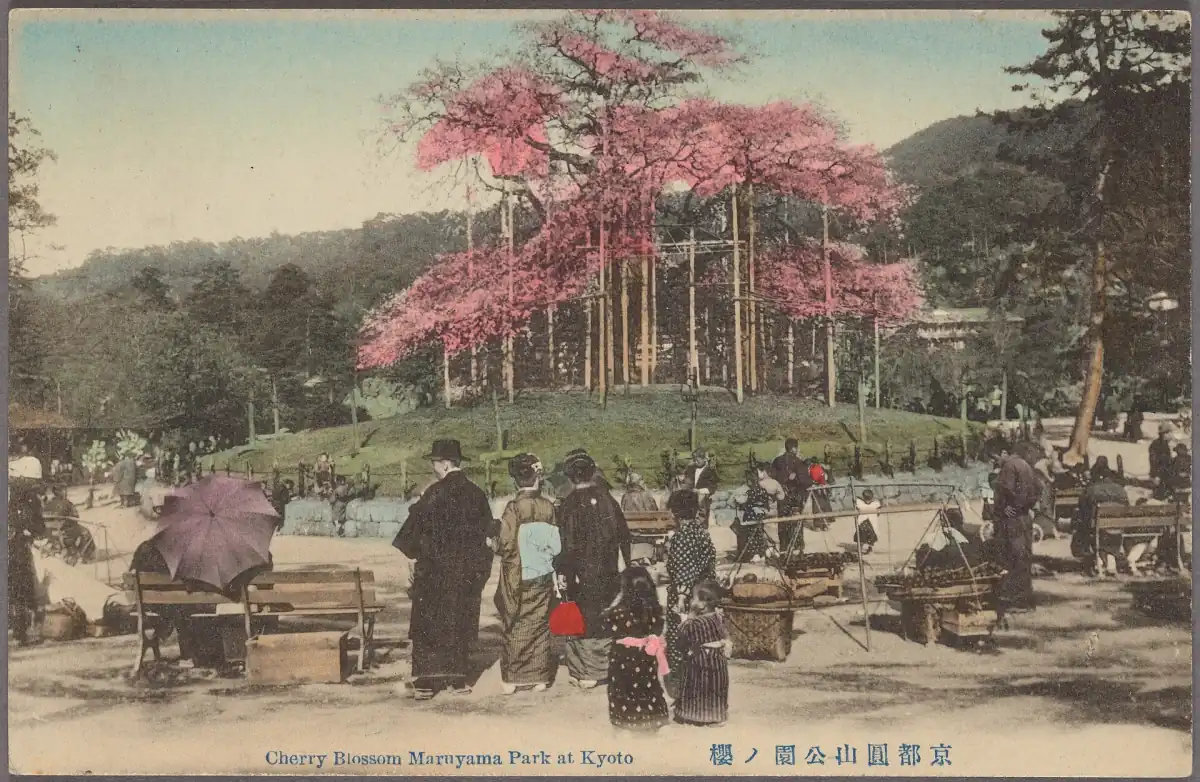
Today the City of Kyoto has 1,431,713 inhabitants in 11 wards (preliminary census count for 1 October 2025). The city is only one part of Kyoto Prefecture, which reaches north to the Tango coast. If you want to see this history with a guide, historical walking tours in Kyoto cover Gion, Higashiyama and the imperial sites.
Key dates in Kyoto's history
A short timeline of ancient Kyoto and the modern prefecture.
794: Heian-kyo is founded
The new capital follows the Chinese model of a planned city. Over the following centuries Kyoto shaped wooden religious architecture and Japanese garden design.
Temples and shrines →1644: To-ji's pagoda is rebuilt
The five-storey pagoda of To-ji, about 55 m high, stands in its present form since it was rebuilt in 1644. The temple is part of the World Heritage group.
Visiting To-ji →1868: Kyoto Prefecture
On 19 June 1868 (in the Western calendar) the Kyoto court office was renamed Kyoto Prefecture, the name it carries today.
Day trips in the prefecture →1869: the court moves to Tokyo
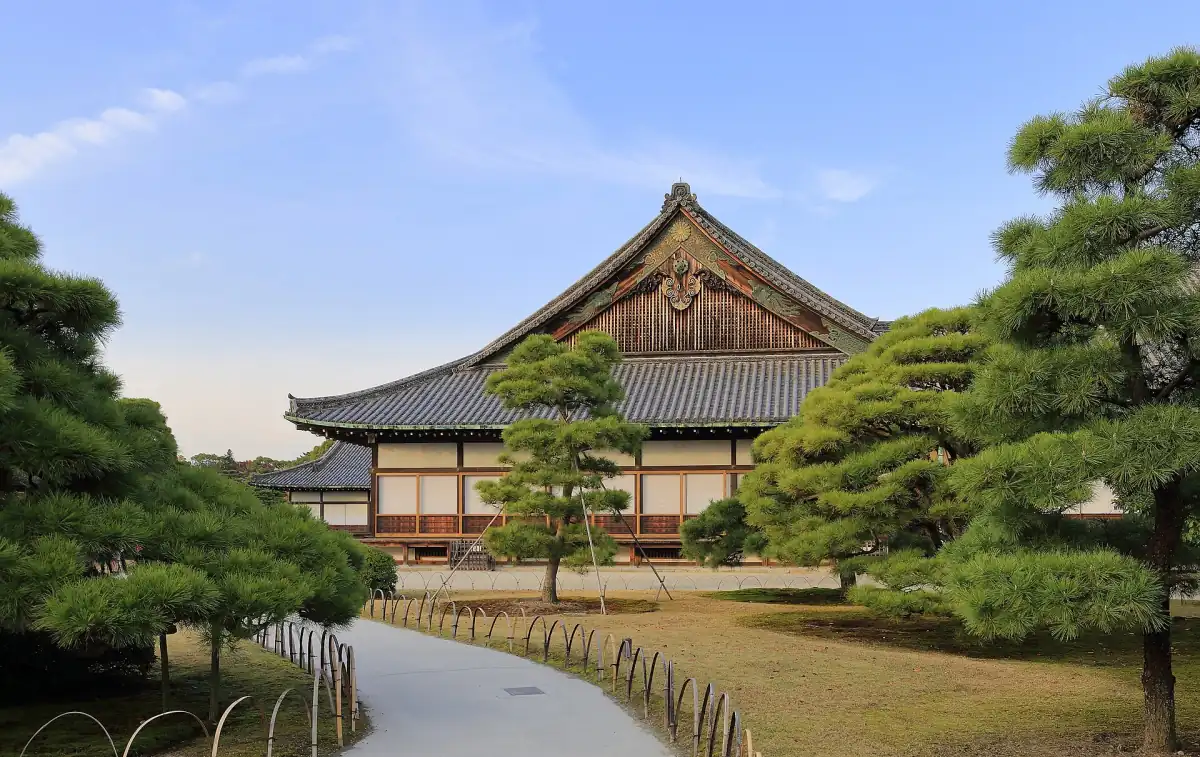
The Kyoto Imperial Palace served as the emperor's residence until 1869. After that the imperial court moved to Tokyo. Today the palace grounds are open to visitors.
Kyoto Imperial Palace →1994: World Heritage
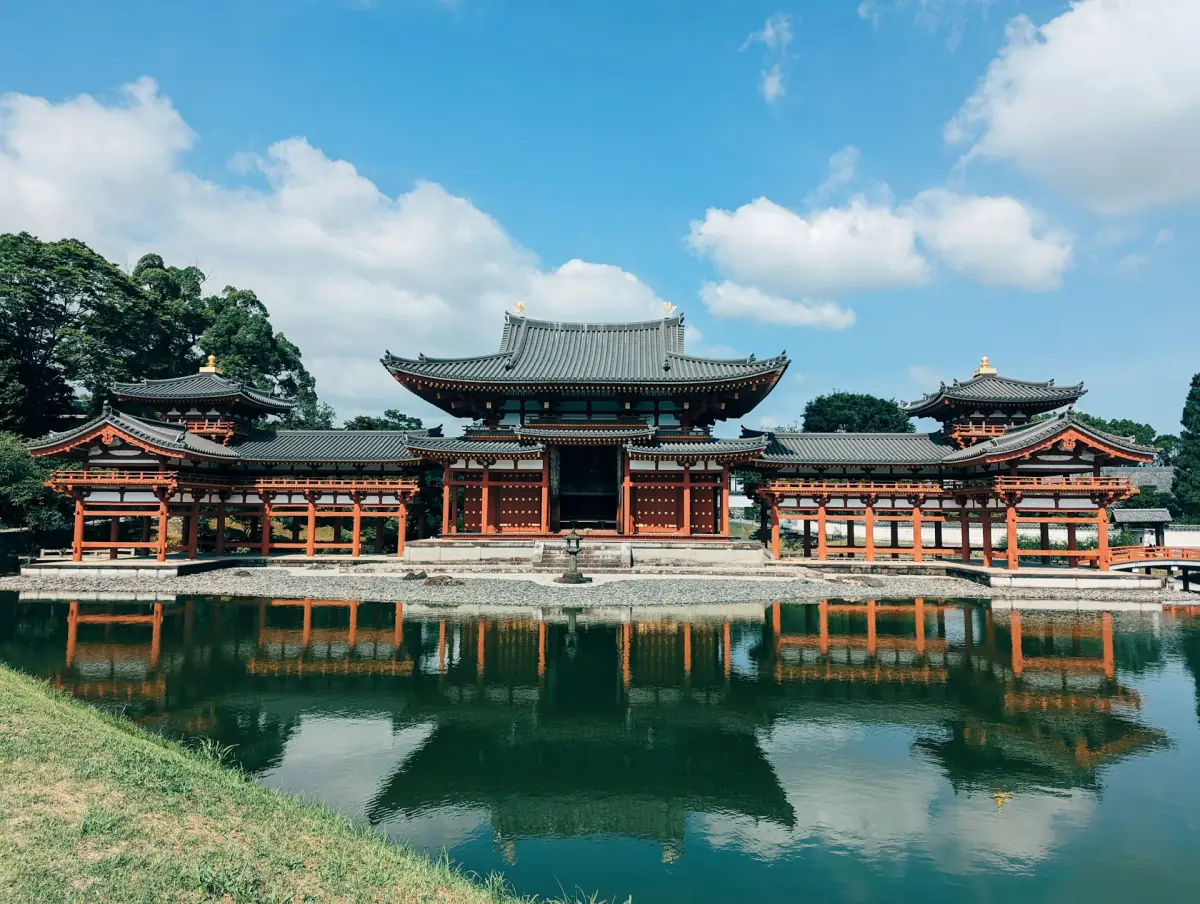
UNESCO inscribed 17 components in Kyoto, Uji and Otsu as the Historic Monuments of Ancient Kyoto. The whole city is not part of it, only these sites.
Byodo-in in Uji →Our pick: a half-day walk through Kyoto
A three-hour walk through the city, suited to anyone who wants to see the places where the history happened on foot.
Hand-picked tours, booked through Viator. Prices are indicative starting prices in US dollars (as of October 2026). Tap a tour for live availability and the current price in your currency.
Historical tours in Kyoto
Guided walks through Gion and Higashiyama, the Imperial Palace and Nijo Castle, and UNESCO sites in Kyoto and Uji, with live prices.
Heian-kyo: the planned capital
When Heian-kyo was founded in 794, it was laid out after the Chinese model of a capital. It was a planned city rather than a town that grew by itself. For more than a thousand years, until 1869, it remained the home of the emperors.
Kyoto shaped two things in particular: religious architecture in wood and the art of the Japanese garden. Both are easy to see today, from the halls of To-ji to the gardens of the temples in the eastern hills.
The imperial city until 1869
The Kyoto Imperial Palace was the residence of the emperor until 1869, before the court moved to Tokyo. Today the palace and its surroundings remain a visible trace of the old capital. You can visit the Kyoto Gosho for free without booking, and free guided tours in English run at 10 a.m. and 2 p.m. The buildings themselves are seen from outside. Katsura, Shugakuin and the Sento Palace can be visited on guided tours with registration.
Nijo Castle is another site from Kyoto's long history and also part of the World Heritage group. Regular entry including the Ninomaru Palace costs ¥1,300 for adults (2026). Details on the Imperial Palace page.
Historic Monuments of Ancient Kyoto
The World Heritage listing of 1994 covers 17 components in three cities: Kyoto, Uji and Otsu. Among them are To-ji, Shimogamo Shrine, Nishi-Honganji, Nijo Castle, Ginkaku-ji, and in Uji the Byodo-in and Ujigami Shrine. Not every famous shrine, district or sight in Kyoto belongs to it. The bamboo grove in Arashiyama, for example, is not one of the 17 components.
The Golden Pavilion in the north west of the city has a long story of its own, told on the Kinkaku-ji history page. For the great shrine in Fushimi in the south, see the history of Fushimi Inari.
Kyoto Prefecture: towns and regions
Kyoto Prefecture is much larger than the city and stretches from the tea region of the south to the northern coast. The prefecture counts 26 municipalities: 15 cities, 10 towns and 1 village. They are grouped into regions:
- Tango in the far north, with Miyazu, Kyotango, Ine and Yosano. Amanohashidate lies in Miyazu, and Ine is known for about 230 boat houses on its bay.
- Chutan with Fukuchiyama, Maizuru and Ayabe.
- Nantan with Kameoka, Nantan and Kyotamba. The thatched village of Miyama, with 39 thatched houses, belongs to the city of Nantan.
- Kyoto city as an area of its own.
- Yamashiro in the south, including Uji, Otokuni and Soraku. Uji is part of the southern tea region together with places such as Wazuka and Joyo.
To see these regions, start with Amanohashidate and Ine, Miyama or Uji.
Living traditions
Much of Kyoto's history is not only in buildings. Five geisha districts, called kagai, still exist: Gion Kobu, Gion Higashi, Pontocho, Miyagawacho and Kamishichiken. In Kyoto the professional entertainers are called geiko, and maiko are those in training. Treat them and the residents of these districts with respect, and do not follow or photograph them without consent.
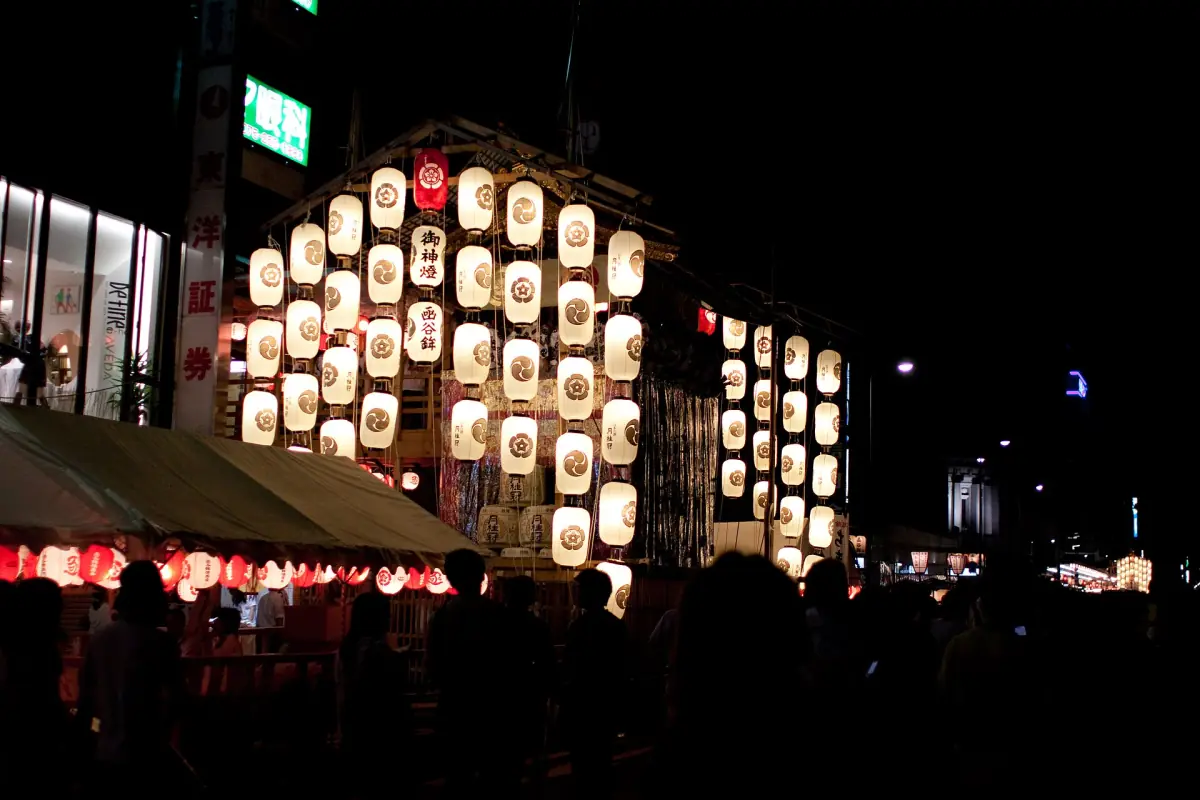
The great festivals also go back a long way. The Aoi Matsuri procession takes place on 15 May, the Gion Matsuri fills the month of July, and the Jidai Matsuri takes place in October. On 16 August the Gozan no Okuribi fires burn on the hills. Kiyomizu-yaki, a style of Kyoto pottery, is traditionally linked to Higashiyama. More on the festivals page.
Kyoto history: questions
When was Kyoto founded?
Kyoto was founded in 794 as Heian-kyo, a capital planned after the Chinese model.
Until when was Kyoto the imperial city?
The Kyoto Imperial Palace was the emperor's residence until 1869. After that the court moved to Tokyo.
Is all of Kyoto a World Heritage Site?
No. The UNESCO listing of 1994 covers 17 specific sites in Kyoto, Uji and Otsu, such as To-ji, Nijo Castle, Ginkaku-ji and Byodo-in. Many other famous places are not part of it.
How many people live in Kyoto?
The City of Kyoto has 1,431,713 inhabitants in the preliminary count of the census of 1 October 2025. The city has 11 wards.
What is the difference between Kyoto city and Kyoto Prefecture?
The city is one of 26 municipalities in Kyoto Prefecture. The prefecture also includes Uji in the south, Miyama in Nantan and Amanohashidate and Ine on the northern coast.