
Kibune and Kurama at a glance
Two valleys, one train line and a path over the hill.
Kibune Kyoto is a narrow valley in the northern hills, known for Kifune Shrine and for the summer platforms built over the river, where restaurants serve meals on the water. Kurama lies in the next valley, with the temple Kurama-dera on its slope and a hot spring. Both are reached by the Eizan Railway from Demachiyanagi in the north of the city, and a mountain path links the two, so most people see them together in one day.
You can plan this day on your own: the train, a short bus ride and the paths between the villages bring you there. If you want a guide for another day of your trip, compare Kyoto walking tours and day tours.
Kifune Shrine
Kifune Shrine is free to visit all year. From 1 May to 30 November the grounds of the main shrine are open from 6:00 to 20:00. Amulets and the goshuin stamp are available from 9:00 to 17:00. Outside this period the hours are different, so check them before a winter visit.
The approach has many stone steps. The shrine does not allow wheelchair or stroller access, which matters if you travel with small children or limited mobility. Plan to carry a stroller or leave it at your accommodation.
Kawadoko: riverside dining in Kibune
From May to September, restaurants in Kibune set up kawadoko, platforms over the river where you eat with the water running below. Whether they open on a given day depends on each restaurant and on the weather. Book with the restaurant of your choice and ask what happens in bad weather.
The Kibune season is separate from the riverside terraces along the Kamo River in the city centre, which run until 15 October. If you are in Kyoto in autumn and want a meal by the water, look at Pontocho and the Kamo River instead.
Guided days out from Kyoto
Walking tours, early morning tours and day trips from Kyoto, for the days of your trip when you want a guide.
Kurama-dera
Kurama-dera stands on the wooded slope above Kurama village. The main hall is open from 9:00 to 16:15. A short cable car runs uphill from 8:40, and the last ride down leaves at 16:25. On foot, the climb from the gate to the main hall takes about 30 minutes.
If you start the day in Kurama, these times decide your plan: you need to reach the main hall well before 16:15, and if you continue over the hill to Kibune, start early enough to finish the path in daylight. Check the temple's monthly programme before you go, as the cable car can stop for inspection.
Kyoto hiking: from Kurama to Kibune
The classic walk between the two valleys.
Distance and time
A common route runs from Kurama Station over the hill to Kibuneguchi Station and measures roughly 3.9 km. Plan roughly 2 to 3 hours, which includes the walks through both villages and to the stations. It is a mountain path with steps, not a level forest walk.
Which direction
Starting in Kurama means you visit Kurama-dera first and end in Kibune, where you can eat by the river in summer. Starting in Kibune works too, but then the temple closing time comes at the end of your walk.
Weather and path conditions
After heavy rain the path and the steps can be slippery, and sections may be closed. Check the current situation on the day and turn back if the path looks unsafe. Wear shoes with good grip and carry water.
Without the hike
You can also visit each valley on its own by train: get off at Kurama for the temple and the onsen, or at Kibuneguchi and take the bus up into the Kibune valley.
Kurama Onsen
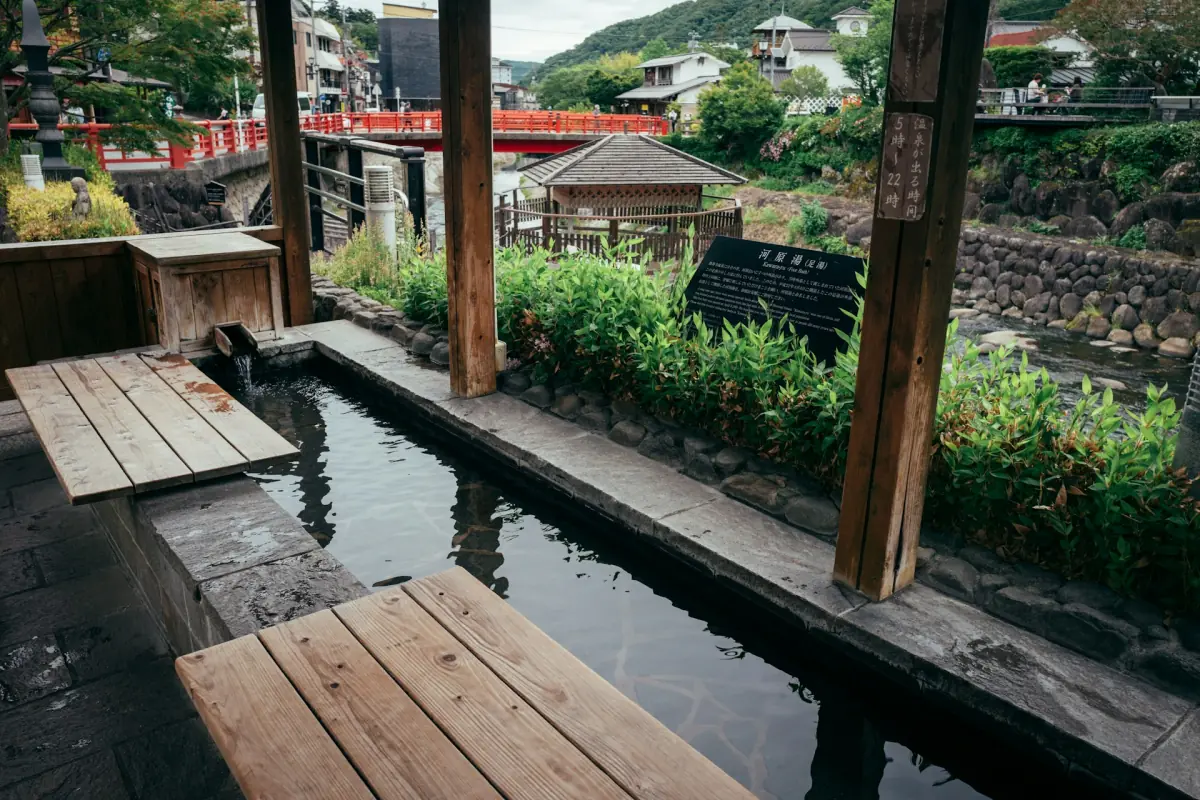
Kurama has a hot spring with a day bathing area. Day bathing runs from 10:00 to 21:00. A bath at the end of the hike is a good way to finish the day.
Check the current fees, the last entry time and the rules on tattoos directly with the onsen before you go, as these are not the same in every bath in Kyoto. For other hot springs in the prefecture, see our page on onsen in Kyoto.
Getting there by Eizan Railway
From the north of the city into the hills.
| Destination | From Demachiyanagi | Then |
|---|---|---|
| Kibune | Eizan Railway via Takaragaike to Kibuneguchi | Kyoto Bus towards Kibune |
| Kurama | Eizan Railway via Takaragaike to Kurama | For Kurama-dera and Kurama Onsen |
The Ee-Kippu one-day ticket costs ¥1,200 for adults and ¥600 for children, as of 2026. It covers the Eizan Railway but not the cable car or ropeway on Mount Hiei. For most visitors who ride out to Kurama and back from Kibuneguchi, the day ticket is the simplest choice.
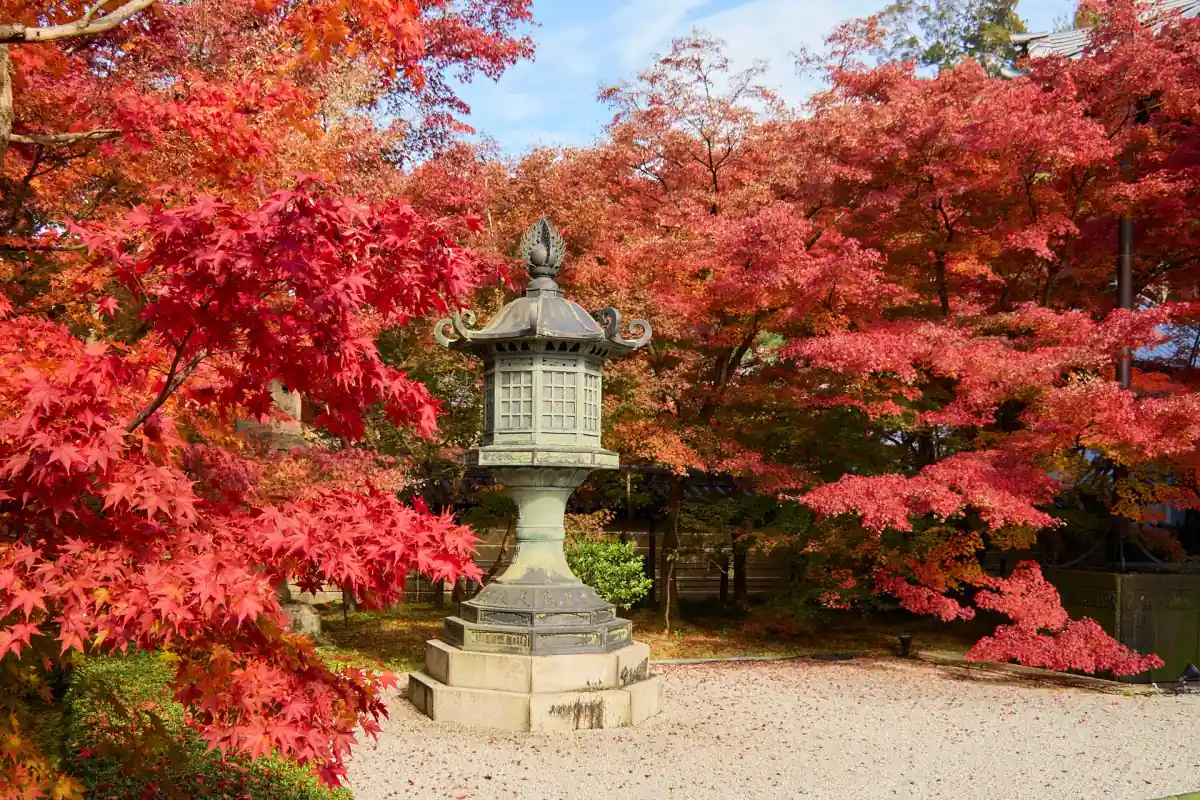
In autumn the line runs through a stretch of maple trees. From 7 November to 6 December 2026 this Maple Tunnel is lit up, and trains pass through slowly. The line keeps running during the lighting.
When to go
Each season changes the day.
May to September
Kawadoko season in Kibune and the long opening hours at Kifune Shrine. In the city, July and August bring average highs of 32.0 and 33.7 °C. The hills can feel different, so dress in layers.
Autumn
The autumn leaves season in Kyoto, from mid November to early December, is one of the busiest times of the year. The Maple Tunnel lighting on the Eizan line falls in this period.
Best time to visit Kyoto →Winter
Shorter days and different shrine hours outside May to November. Start the hike early so you finish in daylight, and check the path conditions before you set off.
For a second walk in the hills inside the city, see the hike at Fushimi Inari.
More day trips from Kyoto
Other half and full days outside the centre.
Kibune and Kurama: frequently asked questions
Is Kifune Shrine free?
Yes, entry is free all year. From 1 May to 30 November the main shrine is open from 6:00 to 20:00, and amulets and goshuin are available from 9:00 to 17:00.
When is kawadoko season in Kibune?
From May to September. Each restaurant decides on its own days, and bad weather can stop service on the river.
How long is the hike from Kurama to Kibune?
About 3.9 km from Kurama Station to Kibuneguchi Station. Plan 2 to 3 hours including the village sections, and check the path after heavy rain.
How do I get to Kibune from Kyoto?
Take the Eizan Railway from Demachiyanagi via Takaragaike to Kibuneguchi, then the Kyoto Bus towards Kibune. The Ee-Kippu day ticket costs ¥1,200 for adults in 2026.
Is Kurama Onsen open?
Day bathing runs from 10:00 to 21:00. Check the current fee and tattoo rules with the onsen before your visit.
Can I visit with a stroller or wheelchair?
Kifune Shrine has many stone steps and does not allow wheelchair or stroller access. The hike between the valleys is not suitable either.